
Author: Tarryn Adonis

  • Chatbots Are Making Lonely People Feel Worse, Study Reveals

    Chatbots Are Making Lonely People Feel Worse, Study Reveals

    Supatman via Canva

    Recent research from OpenAI and the MIT Media Lab shed light on the complex relationship between AI chatbots and loneliness. While tools such as ChatGPT have revolutionized productivity and communication, their impact on emotional well-being is less straightforward. The research points out how frequent use of chatbots, especially by those who are already lonely, can exacerbate feelings of isolation. The results highlight the importance of moderation in AI usage and a deeper understanding of its psychosocial effects.

    Research Overview
    B4LLS via Canva

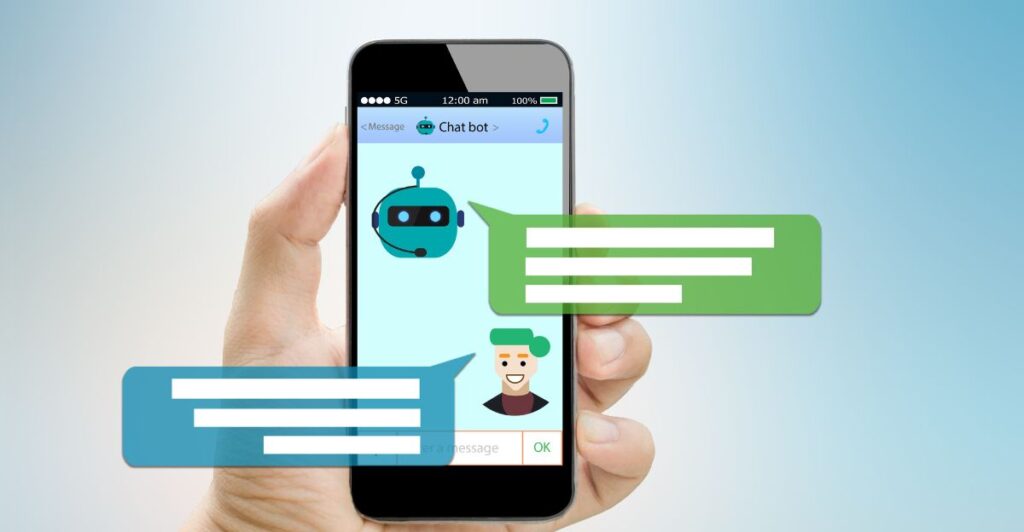
    OpenAI and MIT analyzed more than 40 million interactions with ChatGPT, with particular emphasis on the 6,000 heavy users who frequently utilized its Advanced Voice Mode over three months. Additionally, 4,076 users were also surveyed to assess emotional outcomes, and another study tracked 981 users engaging with ChatGPT daily over 28 days. These studies investigated correlations between chatbot usage, loneliness, dependence, and patterns of socialization.

    Key Findings on Loneliness

    FatCamera via Canva

    One key finding was that casual users of ChatGPT did not report increased loneliness. However, individuals who were lonely felt more miserable after using the chatbot for a long time. Increased levels of interaction are associated with increased loneliness, decreased socialization, and problematic dependence.

    Impact of Interaction Modes

    PhonlamaiPhoto’s Images via Canva

    The studies found that voice-based chatbots seemed to reduce loneliness more effectively, at first, than text-based ones. However, this benefit waned with extensive use, especially when the chatbot adopted a neutral tone. Emotional reliance was less pronounced in voice interactions but still present among frequent users.

    Comparison to Social Media
    oatawa via Canva

    The researchers compared these findings with trends observed in social media usage. Loneliness prompts many to seek connection online, but excessive use can create a cyclical effect, leading to more isolation and dependence. This phenomenon points to broader social problems connected to technology use.

    Limitations of the Studies

    Maridav via Canva

    While the research was revealing, it had its limitations. It also based its findings on self-reported data and didn’t use control groups to account for other possible factors, like the changing of the seasons or weather, that might affect people’s moods. The studies also spanned relatively short time periods and have yet to undergo peer review.

    Ethical Concerns and the AI Addiction
    Sanket Mishra from Pexels via Canva

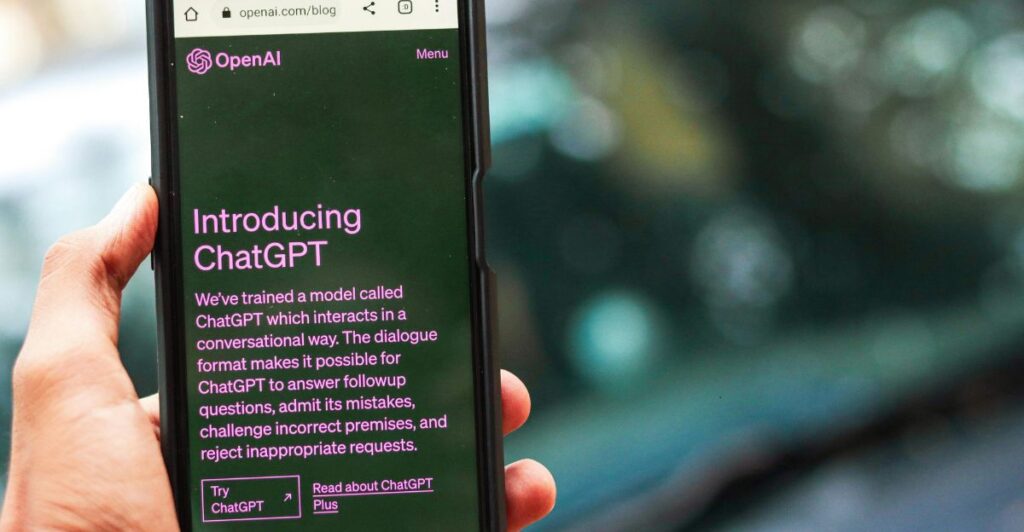
    The studies raised ethical questions about the role AI plays in exacerbating loneliness. Companies such as OpenAI and others in the AI industry may face financial incentives to ensure users are dependent on their products. Incidents of suicides associated with chatbot usage demonstrate an immediate necessity for protection against emotional harm.

    Recommendations for Mitigation

    Matheus Bertelli from Pexels via Canva

    Researchers said that adding guardrails to A.I. systems could mitigate risks of loneliness and dependence. They called for broader AI literacy efforts that incorporate both psychosocial and technical knowledge. A holistic approach that pairs technological safety with societal interventions will be required to foster meaningful human connection.

    Broader Implications

    aliaksandrbarysenka via Canva

    The findings illustrate the growing loneliness epidemic that has been driven by societal changes like vanishing communal spaces and an increased dependence on electronic communication. While AI did not create these problems, they could be worse if not managed responsibly. Addressing loneliness will need both technological solutions and efforts to strengthen real-world social support systems.

    Healthier Human Connections

    StefaNikolic via Canva

    Excessive use of AI chatbots like ChatGPT poses risks beyond technological concerns; it is also a societal matter related to human emotional needs. While researchers are still exploring these dynamics, companies need to remain conscientious of the ethical implications of developing AI systems. Ultimately, cultivating healthier human connections remains essential in combating loneliness in an increasingly digital world.


  • Chewing Gum Exposes You to Thousands of Microplastics, Scientists Warn

    Chewing Gum Exposes You to Thousands of Microplastics, Scientists Warn

    Viktor Gladkov via Canva

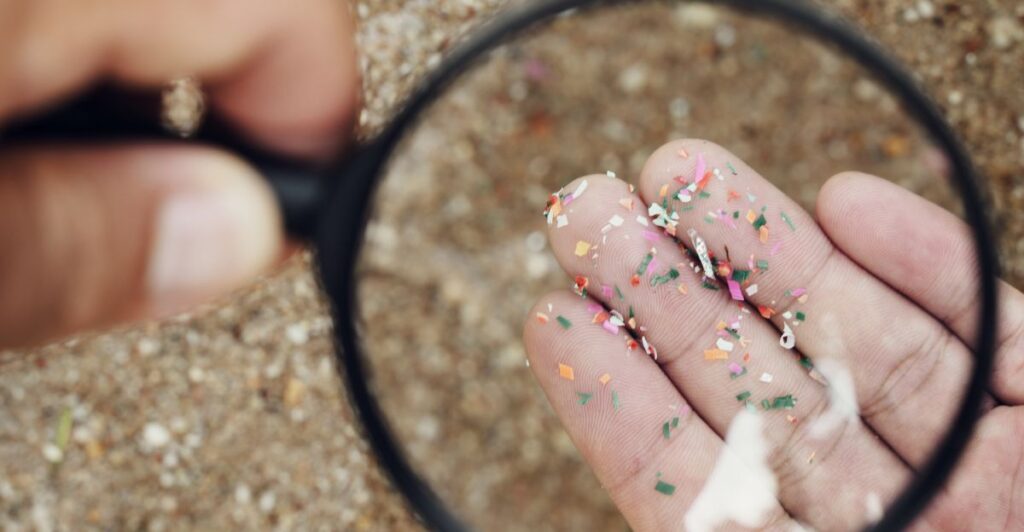
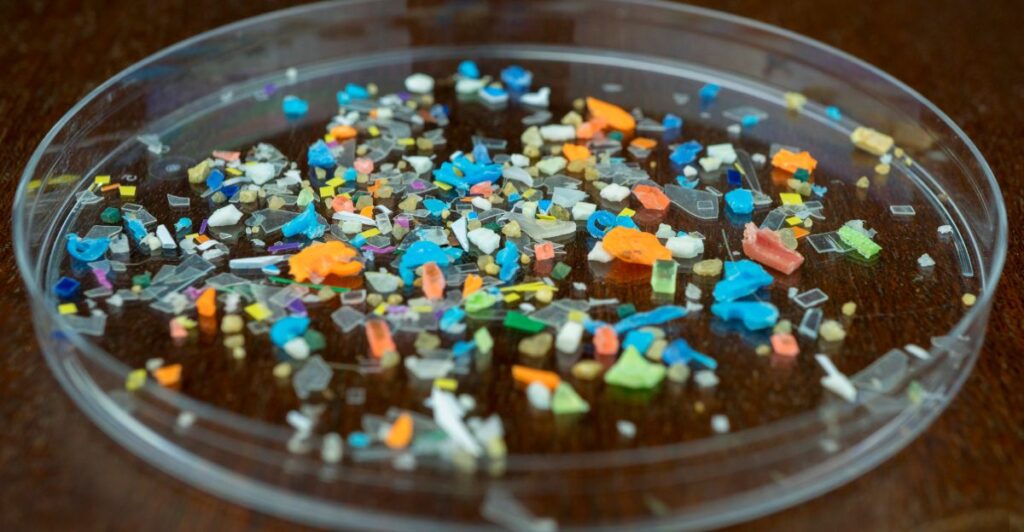
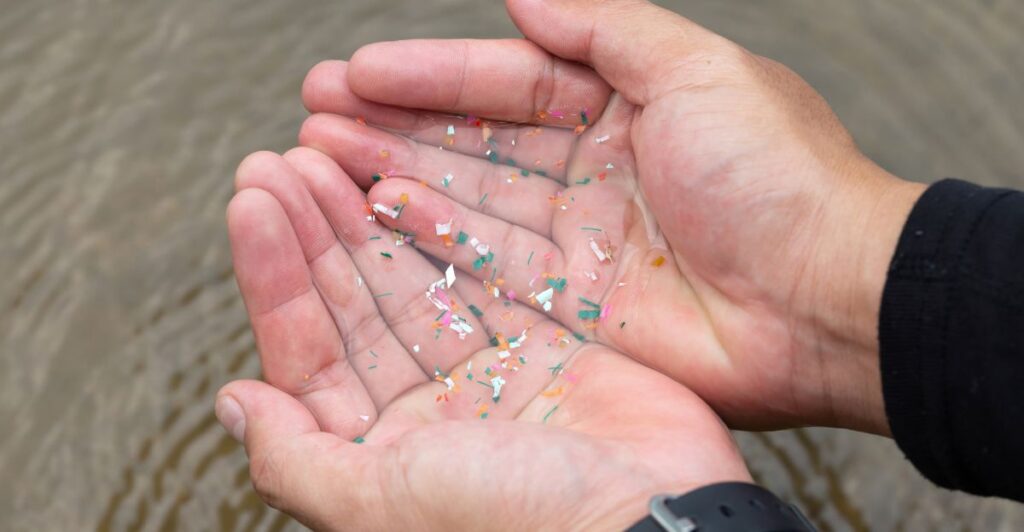
    Microplastics, tiny plastic particles less than 5 millimeters in size — have been detected in some unlikely places, including human blood, human brains, and even Arctic ice. Now, a new study has found that chewing gum is an unexpected source of microplastic exposure. Researchers presented their findings at the American Chemical Society (ACS) spring meeting, showing that chewing a single stick of gum can release hundreds to thousands of microplastics into saliva, potentially leading to ingestion. The finding provides a glimpse into yet another way humans are exposed to plastics in everyday life.

    Microplastics: A Growing Concern

    Sansert Sangsakawrat via Canva

    Microplastics are widespread in the environment and in human life. They are present in water, food, and even the air we breathe, raising a major health concern in recent years. Previous studies have estimated that tens of thousands of microplastics are ingested by humans each year. This new research shines a light on chewing gum as a neglected source of these particles.

    The Study’s Objective

    pixelshot via Canva

    The study aimed to quantify the microplastics released during gum chewing and determine whether synthetic or natural gums presented a higher risk. The research team was led by Dr. Sanjay Mohanty from UCLA, who said the intention was not to scare people but to examine how everyday habits contribute to microplastic exposure.

    Experimental Design

    StockLite via Canva

    To ensure consistency, one participant chewed seven pieces from ten brands of gum—five synthetic and five natural. Saliva was collected at various intervals during chewing and analyzed using techniques like Fourier-transform infrared spectroscopy and particle staining.

    Key Findings

    SivStockMedia via Canva

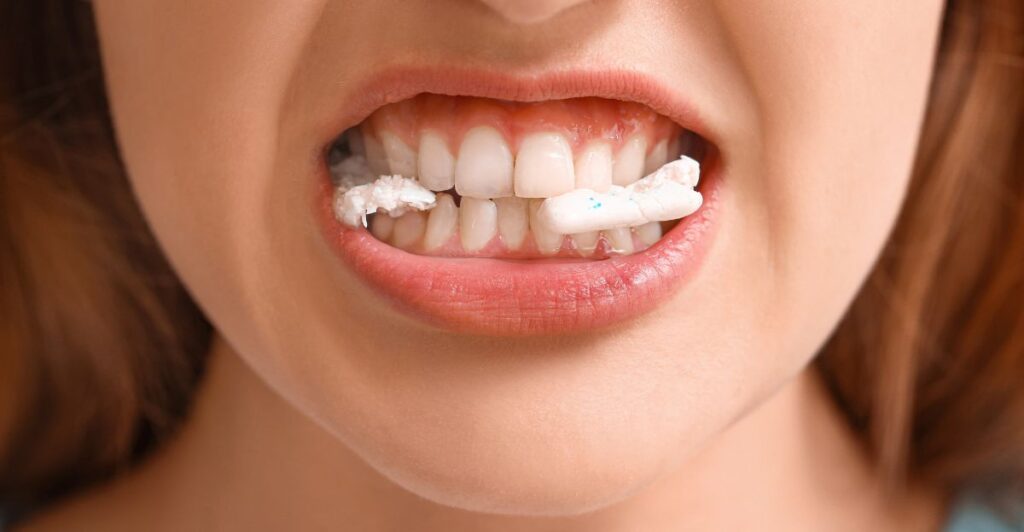
    The researchers revealed that chewing gum releases an average of 100 microplastics per gram of gum. Surprisingly, both synthetic and natural gums released similar amounts of microplastics and contained the same types of polymers, such as polyolefins. Some sticks released as many as 600 particles a gram.

    Mechanism of Microplastics Release

    pixelshot via Canva

    Microplastics were released due to the chewing abrasion mechanism rather than the salivary breakdown of the gum. Most of the particles —94%— were released in the first eight minutes of chewing. Almost twice as much exposure was estimated if a person changed the chewing piece frequently, which would suggest that if they continued chewing for longer than that, their exposure would be lower.

    Annual Microplastic Ingestion from Gum

    Eva-Katalin via Canva

    According to average consumption rates of 160–180 sticks per year, a person could ingest about 30,000 microplastic particles annually from the gum alone. The figure could be even higher, as the study did not measure smaller particle matter below 20 micrometers.

    Environmental Impact

    pixelshot via Canva

    The study also pointed out that discarded chewing gum results in more plastic pollution in the environment. Only a small fraction of the plastic in gum is released during chewing, but discarded gum that has not been properly disposed of contributes to the rising problem of microplastics in the environment.

    Health Implications

    pcess609 via Canva

    While there is no direct evidence that microplastic ingestion is related to specific diseases and health issues in humans, animal studies indicate potential damage to respiratory, digestive, and reproductive systems. The researchers underscored the need for additional research to fully understand the health risks of exposure to microplastics.

    Practical Recommendations

    Africa images via Canva

    To reduce exposure, people may also opt to chew gum for an extended period rather than replacing it with a new piece frequently. Moreover, proper disposal practices can contribute to decreasing pollutants in the environment when gum is discarded.

    Plastics All Around Us

    Sébastien Vincon from Pexels via Canva

    The study underscores the extent of microplastic exposure from relatively harmless habits like chewing gum. It should serve as a reminder that plastics are all around us in our everyday lives and can impact our health and the environment.