
Blog

  • Chatbots Are Making Lonely People Feel Worse, Study Reveals

    Chatbots Are Making Lonely People Feel Worse, Study Reveals

    Supatman via Canva

    Recent research from OpenAI and the MIT Media Lab shed light on the complex relationship between AI chatbots and loneliness. While tools such as ChatGPT have revolutionized productivity and communication, their impact on emotional well-being is less straightforward. The research points out how frequent use of chatbots, especially by those who are already lonely, can exacerbate feelings of isolation. The results highlight the importance of moderation in AI usage and a deeper understanding of its psychosocial effects.

    Research Overview

    B4LLS via Canva

    OpenAI and MIT analyzed more than 40 million interactions with ChatGPT, with particular emphasis on the 6,000 heavy users who frequently utilized its Advanced Voice Mode over three months. Additionally, 4,076 users were also surveyed to assess emotional outcomes, and another study tracked 981 users engaging with ChatGPT daily over 28 days. These studies investigated correlations between chatbot usage, loneliness, dependence, and patterns of socialization.

    Key Findings on Loneliness

    FatCamera via Canva

    One key finding was that casual users of ChatGPT did not report increased loneliness. However, individuals who were lonely felt more miserable after using the chatbot for a long time. Increased levels of interaction are associated with increased loneliness, decreased socialization, and problematic dependence.

    Impact of Interaction Modes

    PhonlamaiPhoto’s Images via Canva

    The studies found that voice-based chatbots seemed to reduce loneliness more effectively, at first, than text-based ones. However, this benefit waned with extensive use, especially when the chatbot adopted a neutral tone. Emotional reliance was less pronounced in voice interactions but still present among frequent users.

    Comparison to Social Media

    oatawa via Canva

    The researchers compared these findings with trends observed in social media usage. Loneliness prompts many to seek connection online, but excessive use can create a cyclical effect, leading to more isolation and dependence. This phenomenon points to broader social problems connected to technology use.

    Limitations of the Studies

    Maridav via Canva

    While the research was revealing, it had its limitations. It also based its findings on self-reported data and didn’t use control groups to account for other possible factors, like the changing of the seasons or weather, that might affect people’s moods. The studies also spanned relatively short time periods and have yet to undergo peer review.

    Ethical Concerns and the AI Addiction

    Sanket Mishra from Pexels via Canva

    The studies raised ethical questions about the role AI plays in exacerbating loneliness. Companies such as OpenAI and others in the AI industry may face financial incentives to ensure users are dependent on their products. Incidents of suicides associated with chatbot usage demonstrate an immediate necessity for protection against emotional harm.

    Recommendations for Mitigation

    Matheus Bertelli from Pexels via Canva

    Researchers said that adding guardrails to A.I. systems could mitigate risks of loneliness and dependence. They called for broader AI literacy efforts that incorporate both psychosocial and technical knowledge. A holistic approach that pairs technological safety with societal interventions will be required to foster meaningful human connection.

    Broader Implications

    aliaksandrbarysenka via Canva

    The findings illustrate the growing loneliness epidemic that has been driven by societal changes like vanishing communal spaces and an increased dependence on electronic communication. While AI did not create these problems, they could be worse if not managed responsibly. Addressing loneliness will need both technological solutions and efforts to strengthen real-world social support systems.

    Healthier Human Connections

    StefaNikolic via Canva

    Excessive use of AI chatbots like ChatGPT poses risks beyond technological concerns; it is also a societal matter related to human emotional needs. While researchers are still exploring these dynamics, companies need to remain conscientious of the ethical implications of developing AI systems. Ultimately, cultivating healthier human connections remains essential in combating loneliness in an increasingly digital world.

  • Women Who Changed Science: 80 Years of Fearless Female Innovators

    Women Who Changed Science: 80 Years of Fearless Female Innovators

    Royal Society

    Picture yourself as a member of the world’s oldest scientific society, alongside science icons like Isaac Newton and Charles Darwin. Then picture yourself as one of the first women to enter those revered halls, shattering centuries of prejudice with nothing but a signature. That was what Marjory Stephenson and Kathleen Lonsdale did in 1945, changing the face of science forever. Their pioneering work in biochemistry and crystallography gave them prestigious membership into the Royal Society. But their tales came very close to disappearing from history forever. Eight decades have passed and the society is only now celebrating these trailblazers, reminding everyone of how they got there in the face of adversity. So how did they beat the odds and make history?

    Milestone of the Royal Society

    Royal Society

    1945 was the year the Royal Society started welcoming women. Marjory Stephenson and Kathleen Lonsdale walked in as the first female members, sending shockwaves throughout the world of science. It was recognition long overdue for women’s contributions to science, supported in part by World War II changing social attitudes.

    Marjory Stephenson: Biochemistry Pioneer

    Pexels – turek

    Stephenson’s pioneering biochemistry work consisted of her isolating the first bacterial enzyme in 1928. Her diligence and thoroughness set the stage for microbiology in our era. Although, titanic in achievement, accolades did not flow effortlessly: her fellowship was a consequence of perseverance and Nobel-winner colleagues’ recommendation.

    Kathleen Lonsdale: Crystallography Trailblazer

    Wikimedia Commons – Mike Run

    Lonsdale had cracked the mystery of the benzene ring in 1929, demonstrating the way atoms are positioned in molecules. This completely transformed crystallography. But her fellowship was met with hostility by sceptics who questioned the role of women in science. Lonsdale’s tale is one of genius shrouded by prejudice.

    A Symbolic Victory

    Canva – SeventyFour

    Their election was both a personal triumph, but also represented a leap forward for all women in science. The text on their fellowship certificates had to be hand-edited from “him” to “her”; a gesture both modest and mighty given what they had to overcome.

    Resistance and Support

    Wikimedia Commons – Smithsonian Institution

    To everyone’s astonishment, some male colleagues questioned whether women had any role to play in the Royal Society. But both women had powerful sponsors: Nobel Prize winners who testified to their brilliance. This support made skeptics finally believe that women can be excellent scientists too.

    Overcoming Legal Barriers

    Britannica

    Previous efforts to get women on the ballot were thwarted by old-fashioned legal mindsets. In 1902, physicist Hertha Ayrton’s nomination was defeated on a technicality of law regarding whether married women were “persons.” It wasn’t until social change and a world war that the Royal Society finally admitted women.

    Impact on Future Generations

    Canva – TopMicrobialStock

    Stephenson and Lonsdale’s achievements opened the door for women to join the profession. Lonsdale was University College London’s first female professor, and Stephenson was president of the Society for General Microbiology. The two proved not only that women could be part of the team but also that they could direct science innovation.

    Honoring the Legacy

    Pexels – Nicolette Villavicencio

    To celebrate 80 years of their fellowship, the Royal Society is hosting events and exhibitions. Archive documents and specially commissioned films recount the story of these pioneers, capturing the challenges they faced and how their advances transformed the course of science.

    A Legacy Unfolding

    Wikimedia Commons – Teresa Stokes

    Lonsdale and Stephenson’s work remains an inspiration to female scientists today. With the Royal Society marking 80 years since that pivotal moment, their bravery and ingenuity still shine through.

    Sources
    Pioneering scientists who were first female Fellows of the Royal Society commemorated in new documentaries presented by Dame Maggie Aderin-Pocock
    Pioneering women
    Royal Society honours pioneering scientists who were first female members

  • Chewing Gum Exposes You to Thousands of Microplastics, Scientists Warn

    Chewing Gum Exposes You to Thousands of Microplastics, Scientists Warn

    Viktor Gladkov via Canva

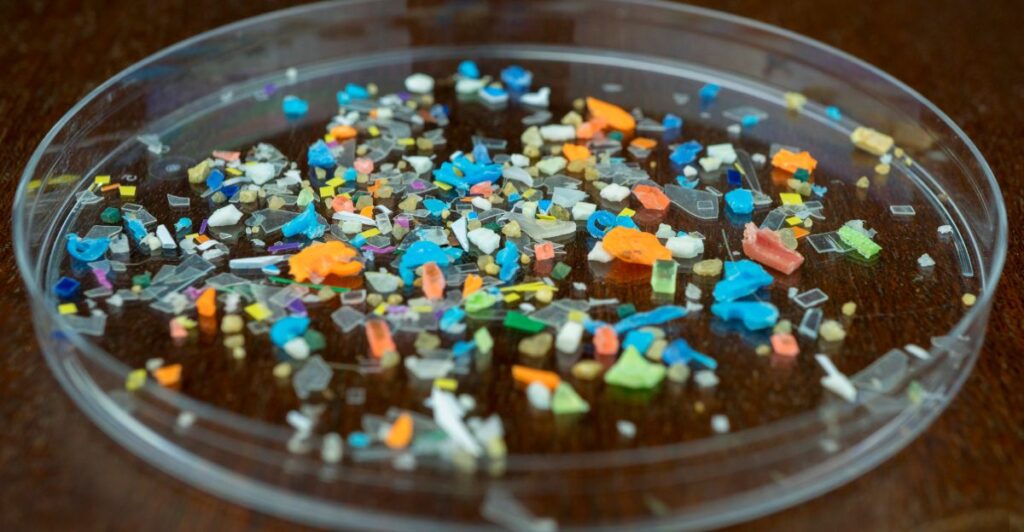
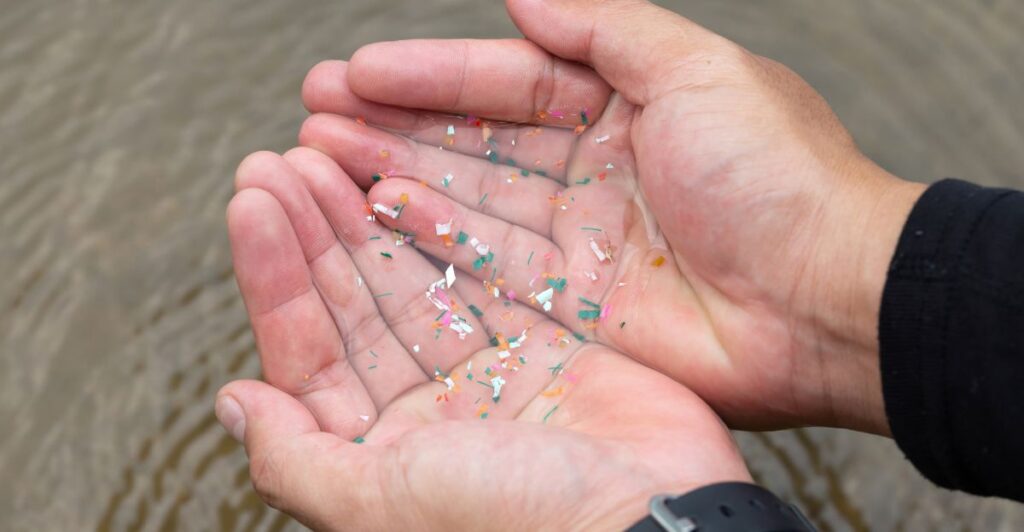
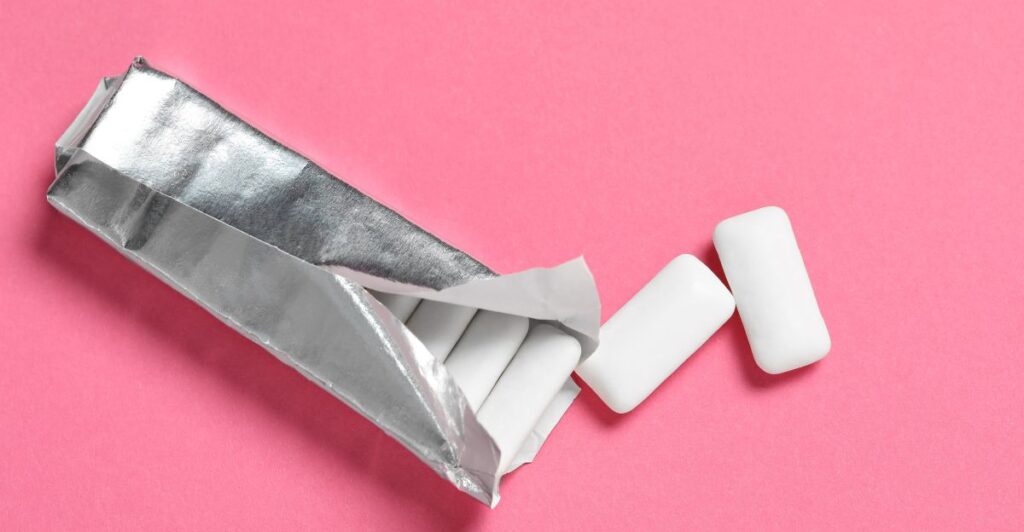
    Microplastics, tiny plastic particles less than 5 millimeters in size — have been detected in some unlikely places, including human blood, human brains, and even Arctic ice. Now, a new study has found that chewing gum is an unexpected source of microplastic exposure. Researchers presented their findings at the American Chemical Society (ACS) spring meeting, showing that chewing a single stick of gum can release hundreds to thousands of microplastics into saliva, potentially leading to ingestion. The finding provides a glimpse into yet another way humans are exposed to plastics in everyday life.

    Microplastics: A Growing Concern

    Sansert Sangsakawrat via Canva

    Microplastics are widespread in the environment and in human life. They are present in water, food, and even the air we breathe, raising a major health concern in recent years. Previous studies have estimated that tens of thousands of microplastics are ingested by humans each year. This new research shines a light on chewing gum as a neglected source of these particles.

    The Study’s Objective

    pixelshot via Canva

    The study aimed to quantify the microplastics released during gum chewing and determine whether synthetic or natural gums presented a higher risk. The research team was led by Dr. Sanjay Mohanty from UCLA, who said the intention was not to scare people but to examine how everyday habits contribute to microplastic exposure.

    Experimental Design

    StockLite via Canva

    To ensure consistency, one participant chewed seven pieces from ten brands of gum—five synthetic and five natural. Saliva was collected at various intervals during chewing and analyzed using techniques like Fourier-transform infrared spectroscopy and particle staining.

    Key Findings

    SivStockMedia via Canva

    The researchers revealed that chewing gum releases an average of 100 microplastics per gram of gum. Surprisingly, both synthetic and natural gums released similar amounts of microplastics and contained the same types of polymers, such as polyolefins. Some sticks released as many as 600 particles a gram.

    Mechanism of Microplastics Release

    pixelshot via Canva

    Microplastics were released due to the chewing abrasion mechanism rather than the salivary breakdown of the gum. Most of the particles —94%— were released in the first eight minutes of chewing. Almost twice as much exposure was estimated if a person changed the chewing piece frequently, which would suggest that if they continued chewing for longer than that, their exposure would be lower.

    Annual Microplastic Ingestion from Gum

    Eva-Katalin via Canva

    According to average consumption rates of 160–180 sticks per year, a person could ingest about 30,000 microplastic particles annually from the gum alone. The figure could be even higher, as the study did not measure smaller particle matter below 20 micrometers.

    Environmental Impact

    pixelshot via Canva

    The study also pointed out that discarded chewing gum results in more plastic pollution in the environment. Only a small fraction of the plastic in gum is released during chewing, but discarded gum that has not been properly disposed of contributes to the rising problem of microplastics in the environment.

    Health Implications

    pcess609 via Canva

    While there is no direct evidence that microplastic ingestion is related to specific diseases and health issues in humans, animal studies indicate potential damage to respiratory, digestive, and reproductive systems. The researchers underscored the need for additional research to fully understand the health risks of exposure to microplastics.

    Practical Recommendations

    Africa images via Canva

    To reduce exposure, people may also opt to chew gum for an extended period rather than replacing it with a new piece frequently. Moreover, proper disposal practices can contribute to decreasing pollutants in the environment when gum is discarded.

    Plastics All Around Us

    Sébastien Vincon from Pexels via Canva

    The study underscores the extent of microplastic exposure from relatively harmless habits like chewing gum. It should serve as a reminder that plastics are all around us in our everyday lives and can impact our health and the environment.

  • How Science Points to the Possibility of God Creating the Universe

    How Science Points to the Possibility of God Creating the Universe

    qimono from pixabay

    For centuries, people have looked to science and religion to understand how the universe came to be. Science explains the mechanics of the universe through observation and evidence, while theology looks at the meaning behind it all and often points to a higher power. However, rather than standing in opposition, these two perspectives can complement each other in powerful ways. This is how science points to the possibility of God creating the universe.

    The Big Bang Theory and Creation Ex Nihilo

    sakkmesterke via Canva

    The Big Bang theory, which most scientists accept as the leading explanation for how the universe began, suggests that everything started from a singularity about 13.8 billion years ago. This aligns with a theological belief called “creation ex nihilo,” which suggests that God created the universe and everything in it from nothing. The sudden appearance of space, time, and matter from nothing reflects what’s written in the Bible, like in Genesis 1:1, which reads, “In the beginning, God created the heavens and the earth.”

    Fine-Tuning of Universal Constants

    Jeremy Müller from Pexels

    The fine-tuning argument suggests that the laws and constants of the universe are set in just the right way to make life possible. Scientists have found about 30 constants that control how the universe works, all uniquely suited to sustain life. This unlikely level of precision suggests the possibility of intentional design. If God exists, it makes sense to believe this fine-tuning was intentional, which supports the idea of a creator who designed the universe with life in mind.

    The Kalām Cosmological Argument

    nix1111 from pixabay

    The Kalām cosmological argument supports the idea of God’s existence by saying that everything that begins to exist must have a cause. This argument suggests that since science shows that the universe had a beginning, it had to have been caused by something outside of itself, like a timeless, spaceless entity like God.

    Theistic Evolution

    NASA CC0 Images from NASA CC0 Images

    Theistic evolution combines scientific theories, like evolution, with the belief in God. This suggests that God started and directed natural processes, like evolution, to carry out His plan. This view suggests that science and faith can work together instead of contradicting one another.

    Evidence from Cosmic Ripples

    Jobert Enamno from Pexels

    The discovery of the cosmic microwave background radiation, which is leftover energy from the Big Bang, supports the idea that the universe had a starting point. This discovery matches religious views that see creation as the work of a divine being. Even scientists like Arno Penzias have noted how this evidence lines up with what the Bible describes.

    Intelligent Design in Nature

    tslclick from pixabay

    The detailed design and order found in nature often make scientists and religious thinkers believe in intelligent design. From tiny cells to large planetary systems, many say it’s hard to imagine that these complexities could have happened by chance. This view supports the idea of a creator who carefully planned everything in the universe.

    Philosophical Implications of Creation

    corradodalco via Canva

    Philosophers often argue that the laws of nature, like gravity and thermodynamics, require an explanation. If these rules govern how the universe works, then something must have put them in place. This leads to the idea of an intelligent lawgiver, like God, who not only created the universe but also the laws that keep it running.

    Biblical Creation and Historical Accounts

    flflflflfl from pixabay

    Biblical creation narratives give theological insights into how God might have created the universe. These accounts focus on purpose and intentionality, which contrasts with atheistic or pantheistic views that see creation as random or self-originating. These theological perspectives increase our understanding of scientific discoveries by offering deeper meaning behind them.

    Challenges and Counterarguments

    Felix Mittermeier from Pexels

    Critics argue that scientific explanations like quantum mechanics or multiverse theories diminish the need for a creator. However, proponents counter that even these theories require foundational principles or initial conditions that point back to an ultimate cause; a role traditionally attributed to God.

    Sources:
    The Fine-Tuning Argument for the Existence of God
    Three Views of Theistic Creation
    Faith and Science: Acknowledging God as the Creator

  • Ticking Time Bomb: Mount Vesuvius Plays Peek-a-Boo With Spacecraft

    Ticking Time Bomb: Mount Vesuvius Plays Peek-a-Boo With Spacecraft

    Facebook – LiveScience

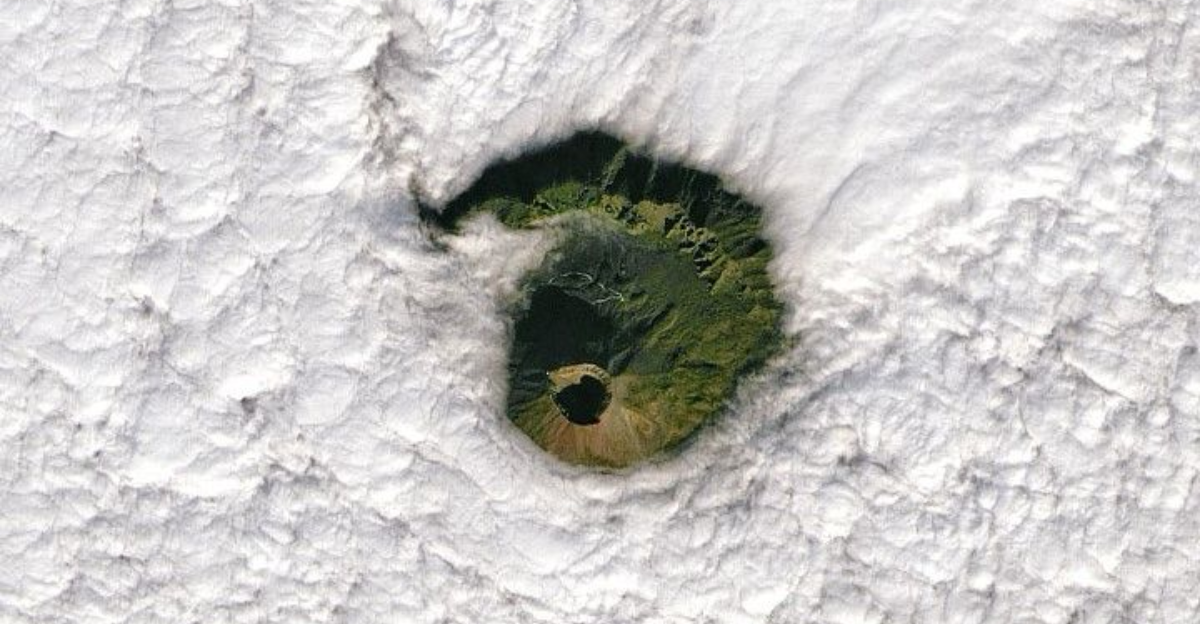
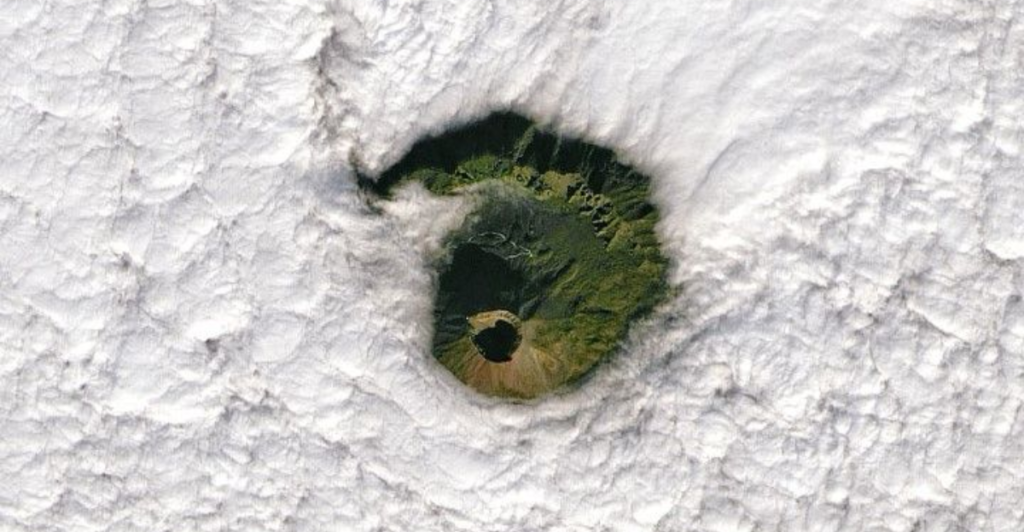
    Mount Vesuvius, the infamous volcano responsible for the destruction of Pompeii in 79 AD, has once again captured attention—this time from space. Satellite images have given us a glimpse into the “ticking time bomb” sitting near one of Europe’s most densely populated areas.

    What Makes This Volcano So Famous?

    Canva_Claudiad
    Canva_Claudiad

    Its eruption in AD 79 buried the Roman cities of Pompeii and Herculaneum under layers of ash and pumice, preserving an eerie snapshot of ancient life frozen in time. The tragedy turned Vesuvius into a symbol of nature’s destructive power, inspiring countless books, films, and scientific studies. Unlike many other volcanoes, Vesuvius sits dangerously close to a major modern city, making it a constant subject of fascination and concern.

    A Volcano Under Surveillance

    Canva_LightFieldStudios
    Canva_LightFieldStudios

    Mount Vesuvius is one of the volcanoes under constant surveillance, as scientists watch its every tremor. Satellites orbiting Earth capture high-resolution images, monitoring subtle shifts in the landscape that could signal impending activity. On the ground, a network of sensors measures seismic movements, gas emissions, and temperature changes, ensuring no sign of unrest goes unnoticed. Despite its quiet facade, Vesuvius remains a ticking time bomb, with millions living in its shadow.

    The Peek-A-Boo Effect

    Instagram_asgardia_space
    Instagram_asgardia_space

    From space, Mount Vesuvius is playing an eerie game of peek-a-boo, momentarily revealing itself before vanishing behind a swirling veil of clouds. One instant, its crater is in full view, offering scientists a glimpse into its restless heart; the next, thick clouds roll in, obscuring the site like nature’s disappearing act.

    What Can Satellite Images Reveal

    Canva_sgoodwin4813
    Canva_sgoodwin4813

    High-resolution thermal imaging detects temperature shifts, potentially signaling rising magma, while radar scans monitor even the slightest ground deformation—an early warning sign of volcanic unrest. Scientists also analyze gas emissions from space, using specialized sensors to track the release of sulfur dioxide and other volcanic gases that often precede an eruption.

    Why Is Vesuvius A Ticking Time Bomb?

    Canva_KeithBinns
    Canva_KeithBinns

    History has proven that its quiet periods are the calm before the inevitable storm. Millions live within its potential blast zone, and while it has remained mostly dormant since its last eruption in 1944, scientists warn that pressure is slowly building beneath the surface. Seismic activity, gas emissions, and ground deformation indicate that Vesuvius isn’t extinct—it is merely biding its time.

    Comparing Past And Present Data

    Canva_Claudiad
    Canva_Claudiad

    Historical records give us a chilling reminder of the volcano’s potential. At the same time, modern satellite and ground-based sensors track even the subtlest changes in seismic activity, gas emissions, and ground deformation. By overlaying past eruption data with real-time satellite imagery and thermal readings, researchers can detect volcano behavior shifts that might otherwise go unnoticed. This high-tech time travel—merging ancient accounts with cutting-edge surveillance—helps scientists refine eruption models and improve early-warning systems, ensuring that when Vesuvius awakens again, humanity won’t be caught off guard like it was centuries ago.

    The People At Risk When Vesuvius Decides To Blow

    Canva_Dominick Cura
    Canva_Dominick Cura

    The volcano looms over Naples’s densely populated metropolitan area, home to around three million people, with nearly 700,000 living in the officially designated “red zone”—the area most vulnerable to pyroclastic flows, ashfall, and lava. Narrow streets, high population density, and limited escape routes mean that chaos could ensue even with a timely warning. The Italian government has an emergency evacuation plan, but the unpredictability of Vesuvius’ next eruption keeps scientists and residents on edge.

    Could Vesuvius Erupt Again Soon?

    Canva_Olivier Isler
    Canva_Olivier Isler

    The question isn’t if Mount Vesuvius will erupt again, but when—and possibly how soon. Rising gas emissions, minor tremors, and ground deformation suggest that magma is still active beneath the surface, slowly building pressure. Vesuvius is known for its sudden and violent eruptions, meaning there might not be much warning before the next big event. Experts believe an eruption in the coming decades is a real possibility, though the exact timing remains uncertain.

    The Evacuation Plans For The People Nearby

    Civil Protection Department
    Civil Protection Department

    The plan includes designated evacuation routes, temporary shelters, and mass transportation efforts to relocate people to safer regions. A delayed response or miscalculated predictions could spell disaster, as history has shown Vesuvius erupts with little warning. While technology and planning have advanced, the real test will come when the volcano finally decides to wake up.

    The Last Eruption – 1944

    NPR.org
    NPR.org

    As World War II raged across Europe, the volcano unleashed a fiery assault of its own, sending lava flows cascading down its slopes, belching thick clouds of ash, and hurling red-hot debris into the sky. Several villages were destroyed, thousands were left homeless, and even Allied troops stationed nearby had to evacuate as the eruption unfolded. While it has remained dormant for over 80 years, scientists know this slumber won’t last forever.

    Don’t Underestimate The Silence

    Canva_Scharvik
    Canva_Scharvik

    Mount Vesuvius may be quiet for now, but history and science both warn that this silence is temporary. The millions living in its shadow remain at risk, and while evacuation plans exist, Vesuvius’s unpredictability means there may not be much time to react when it finally erupts again. Whether seen from space or studied on the ground, one fact remains clear—Vesuvius is a ticking time bomb.

    References:
    Earth from space: Italy’s ‘ticking time bomb’ plays peek-a-boo through a mysterious hole in the clouds
    Amazing Satellite Image Shows Mount Vesuvius Peeking Through the Clouds
    ‘Nature’s ticking time bomb’: Italy’s most ‘dangerous volcano’ peers through a mysterious cloud hole from space

  • Hello world!

    Welcome to WordPress. This is your first post. Edit or delete it, then start writing!