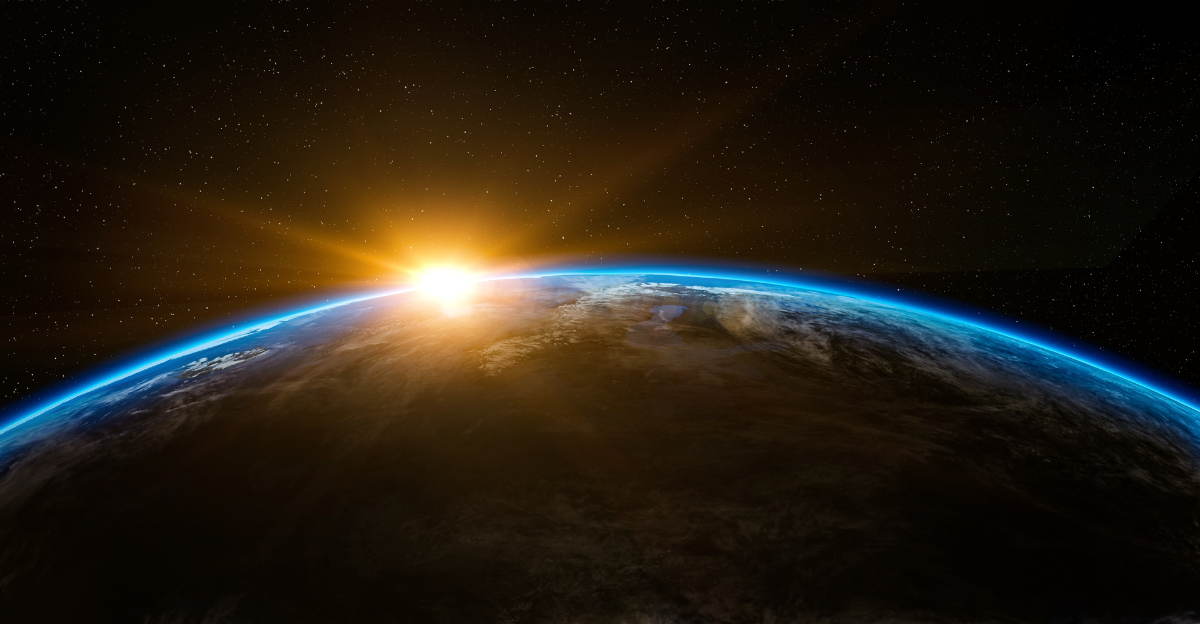
For centuries, people have looked to science and religion to understand how the universe came to be. Science explains the mechanics of the universe through observation and evidence, while theology looks at the meaning behind it all and often points to a higher power. However, rather than standing in opposition, these two perspectives can complement each other in powerful ways. This is how science points to the possibility of God creating the universe.
The Big Bang Theory and Creation Ex Nihilo
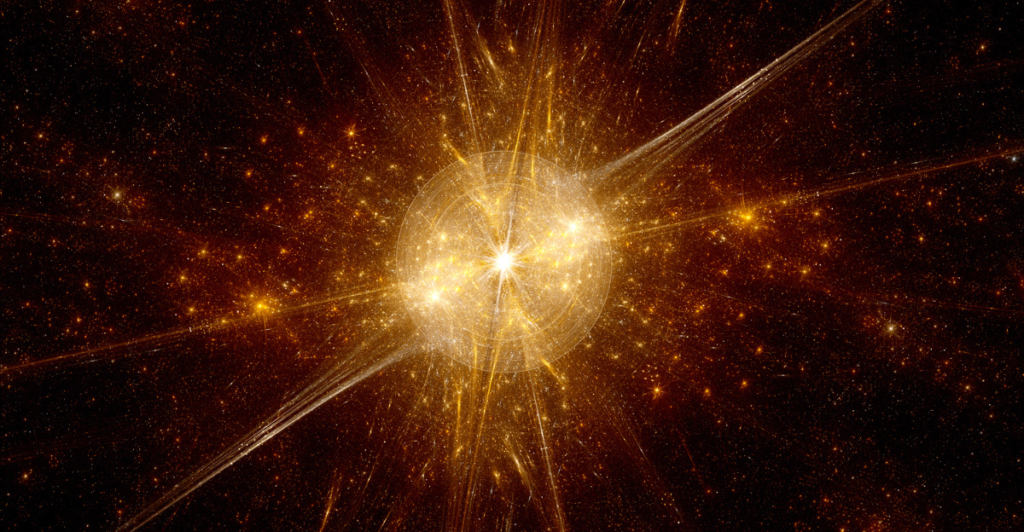
The Big Bang theory, which most scientists accept as the leading explanation for how the universe began, suggests that everything started from a singularity about 13.8 billion years ago. This aligns with a theological belief called “creation ex nihilo,” which suggests that God created the universe and everything in it from nothing. The sudden appearance of space, time, and matter from nothing reflects what’s written in the Bible, like in Genesis 1:1, which reads, “In the beginning, God created the heavens and the earth.”
Fine-Tuning of Universal Constants
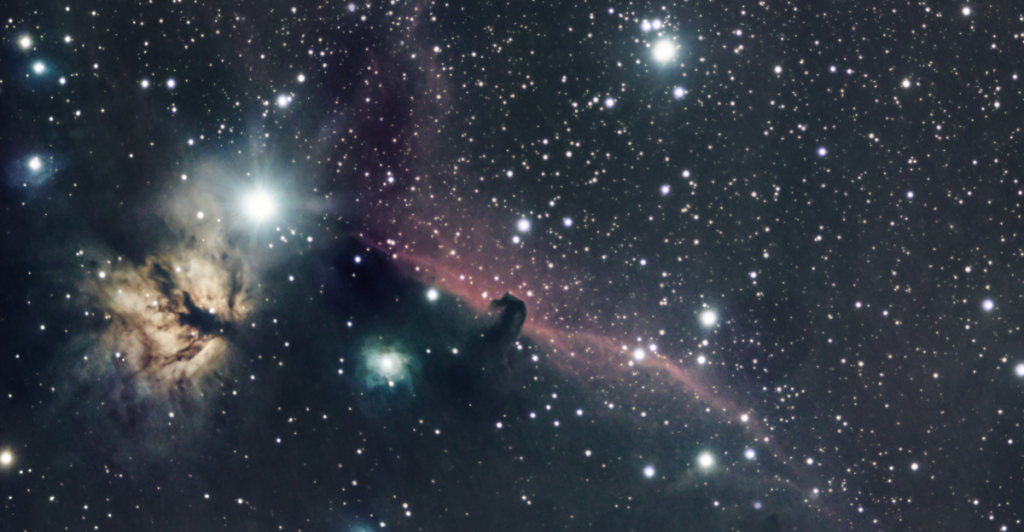
The fine-tuning argument suggests that the laws and constants of the universe are set in just the right way to make life possible. Scientists have found about 30 constants that control how the universe works, all uniquely suited to sustain life. This unlikely level of precision suggests the possibility of intentional design. If God exists, it makes sense to believe this fine-tuning was intentional, which supports the idea of a creator who designed the universe with life in mind.
The Kalām Cosmological Argument
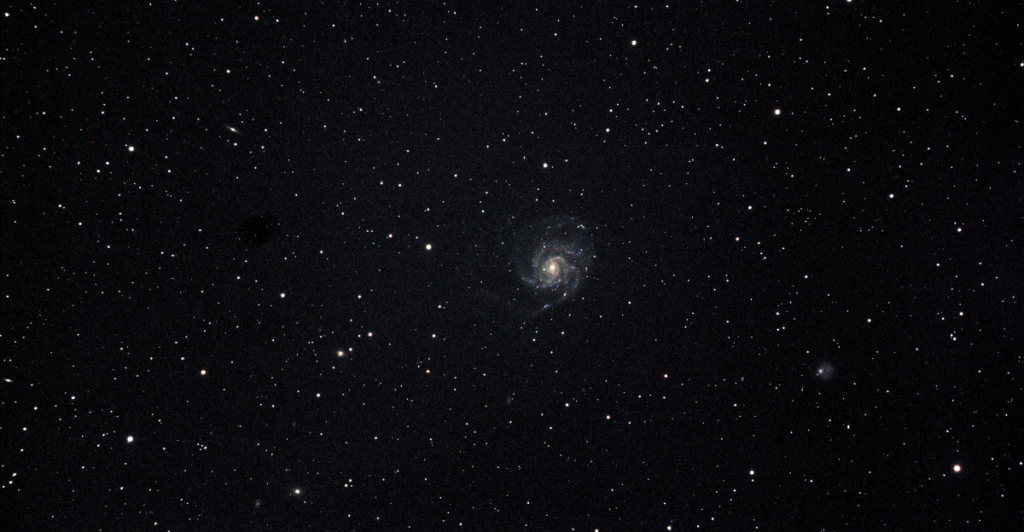
The Kalām cosmological argument supports the idea of God’s existence by saying that everything that begins to exist must have a cause. This argument suggests that since science shows that the universe had a beginning, it had to have been caused by something outside of itself, like a timeless, spaceless entity like God.
Theistic Evolution
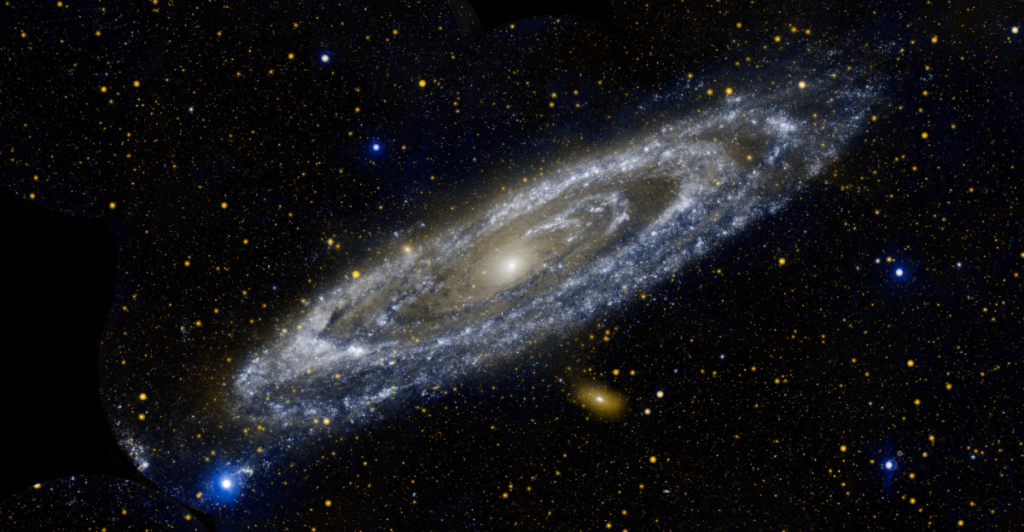
Theistic evolution combines scientific theories, like evolution, with the belief in God. This suggests that God started and directed natural processes, like evolution, to carry out His plan. This view suggests that science and faith can work together instead of contradicting one another.
Evidence from Cosmic Ripples
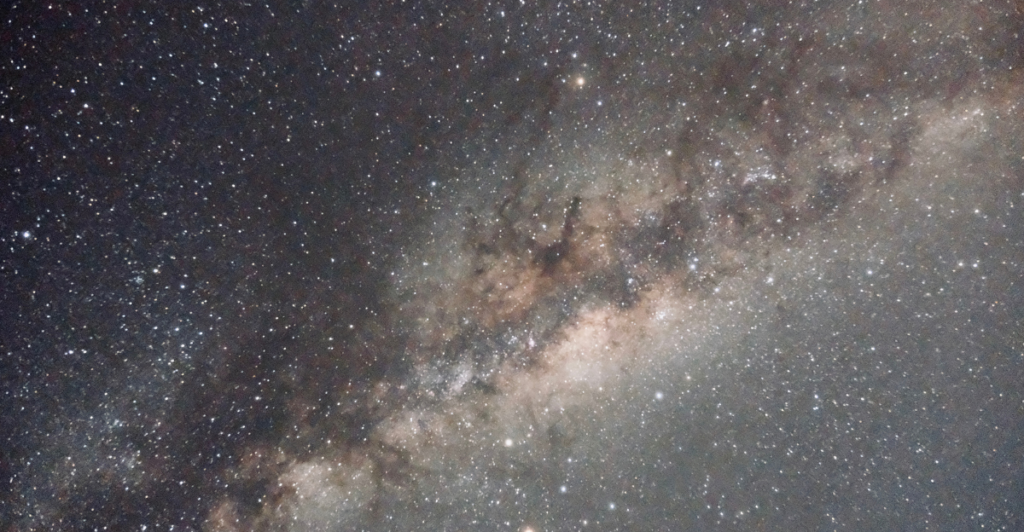
The discovery of the cosmic microwave background radiation, which is leftover energy from the Big Bang, supports the idea that the universe had a starting point. This discovery matches religious views that see creation as the work of a divine being. Even scientists like Arno Penzias have noted how this evidence lines up with what the Bible describes.
Intelligent Design in Nature
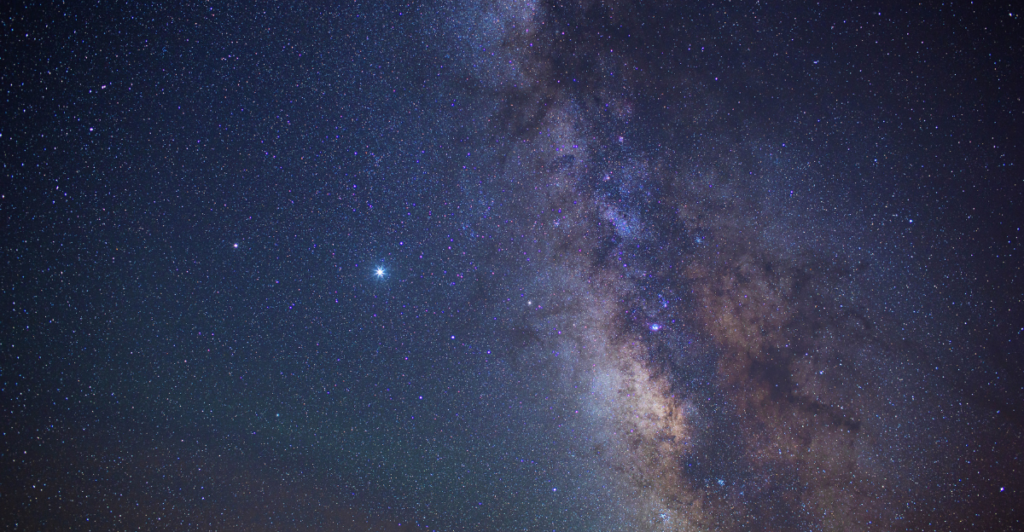
The detailed design and order found in nature often make scientists and religious thinkers believe in intelligent design. From tiny cells to large planetary systems, many say it’s hard to imagine that these complexities could have happened by chance. This view supports the idea of a creator who carefully planned everything in the universe.
Philosophical Implications of Creation
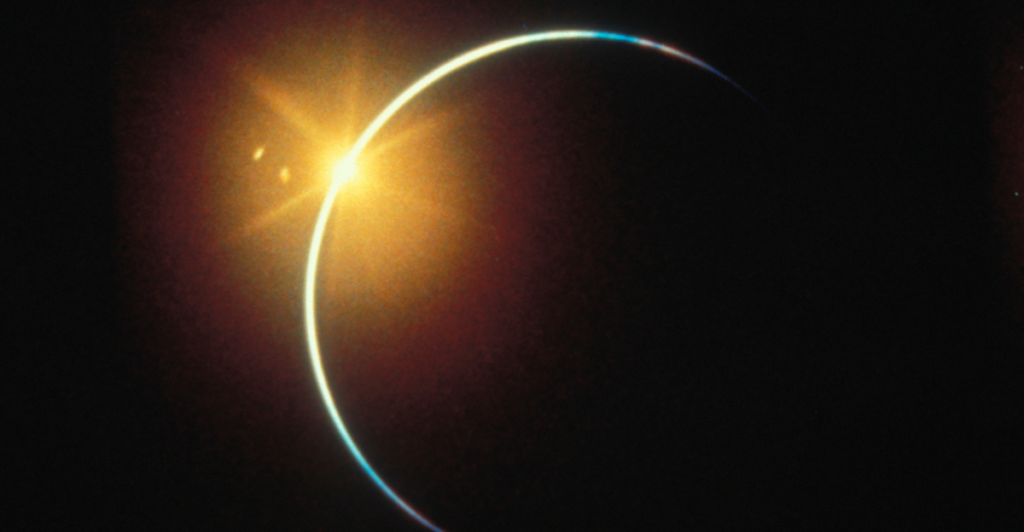
Philosophers often argue that the laws of nature, like gravity and thermodynamics, require an explanation. If these rules govern how the universe works, then something must have put them in place. This leads to the idea of an intelligent lawgiver, like God, who not only created the universe but also the laws that keep it running.
Biblical Creation and Historical Accounts
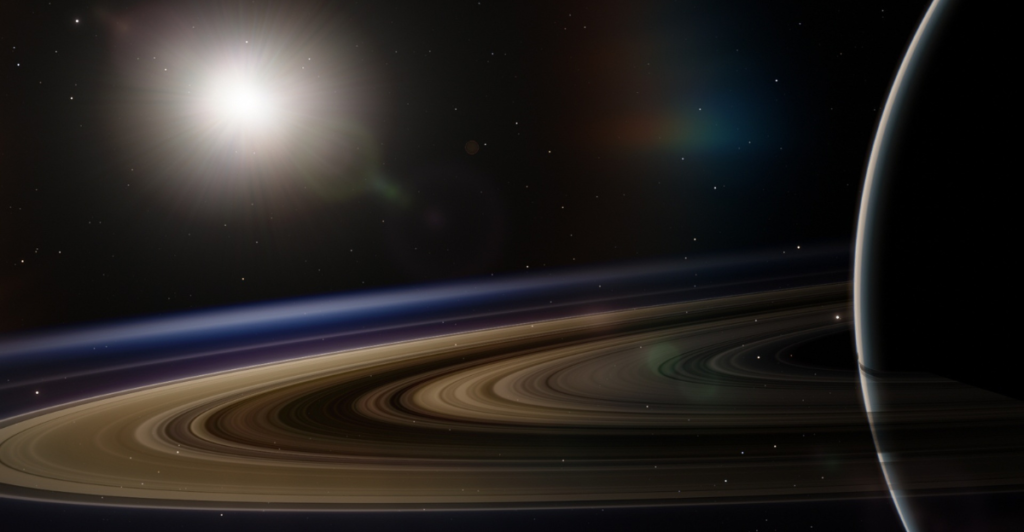
Biblical creation narratives give theological insights into how God might have created the universe. These accounts focus on purpose and intentionality, which contrasts with atheistic or pantheistic views that see creation as random or self-originating. These theological perspectives increase our understanding of scientific discoveries by offering deeper meaning behind them.
Challenges and Counterarguments
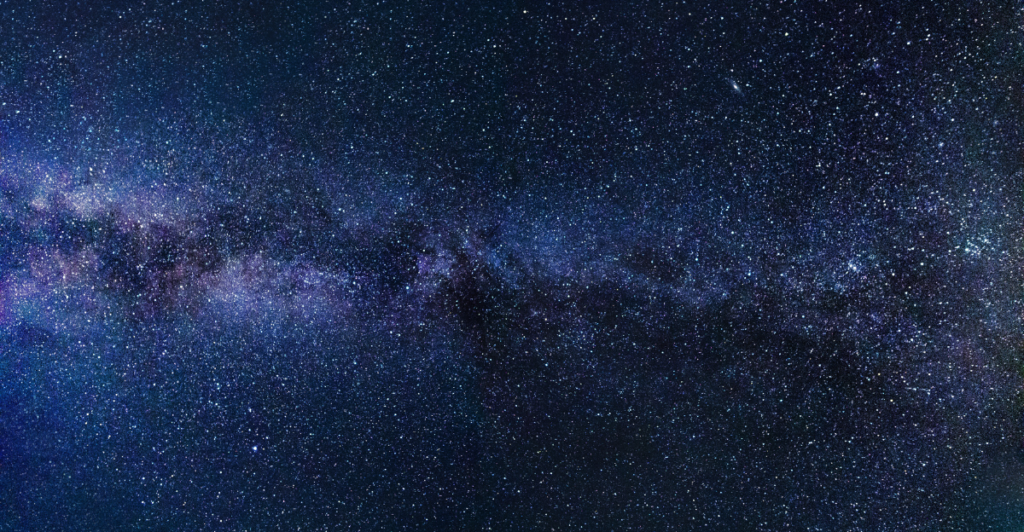
Critics argue that scientific explanations like quantum mechanics or multiverse theories diminish the need for a creator. However, proponents counter that even these theories require foundational principles or initial conditions that point back to an ultimate cause; a role traditionally attributed to God.
Sources:
The Fine-Tuning Argument for the Existence of God
Three Views of Theistic Creation
Faith and Science: Acknowledging God as the Creator