

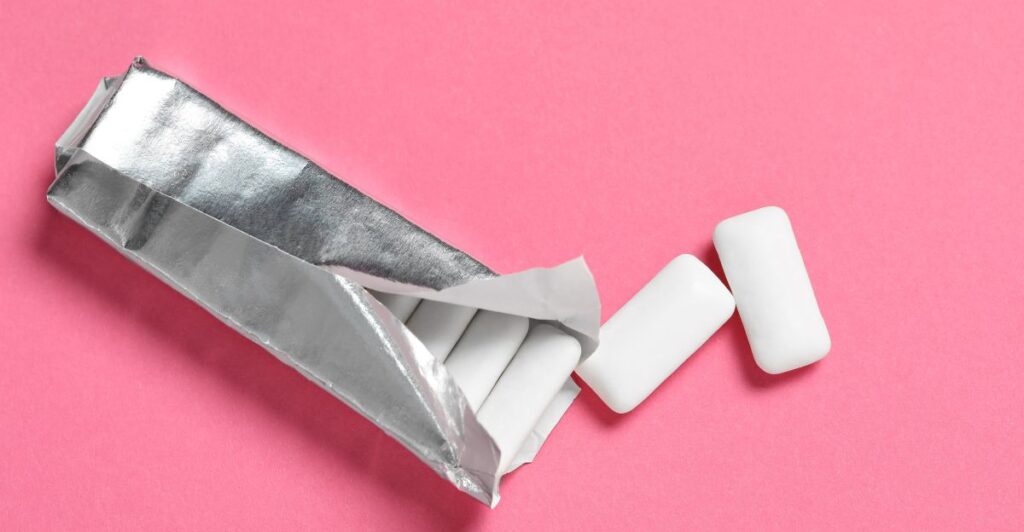
Microplastics, tiny plastic particles less than 5 millimeters in size — have been detected in some unlikely places, including human blood, human brains, and even Arctic ice. Now, a new study has found that chewing gum is an unexpected source of microplastic exposure. Researchers presented their findings at the American Chemical Society (ACS) spring meeting, showing that chewing a single stick of gum can release hundreds to thousands of microplastics into saliva, potentially leading to ingestion. The finding provides a glimpse into yet another way humans are exposed to plastics in everyday life.
Microplastics: A Growing Concern
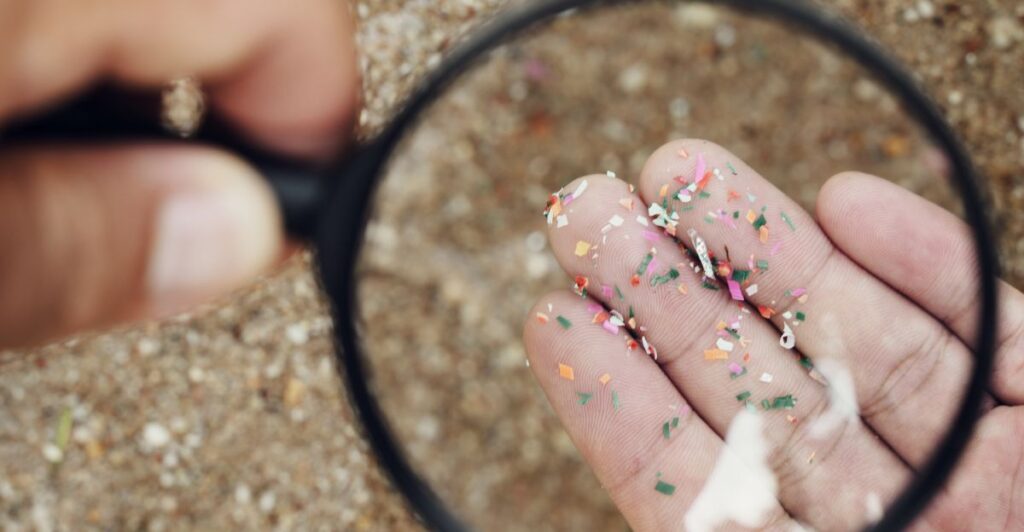
Microplastics are widespread in the environment and in human life. They are present in water, food, and even the air we breathe, raising a major health concern in recent years. Previous studies have estimated that tens of thousands of microplastics are ingested by humans each year. This new research shines a light on chewing gum as a neglected source of these particles.
The Study’s Objective

The study aimed to quantify the microplastics released during gum chewing and determine whether synthetic or natural gums presented a higher risk. The research team was led by Dr. Sanjay Mohanty from UCLA, who said the intention was not to scare people but to examine how everyday habits contribute to microplastic exposure.
Experimental Design

To ensure consistency, one participant chewed seven pieces from ten brands of gum—five synthetic and five natural. Saliva was collected at various intervals during chewing and analyzed using techniques like Fourier-transform infrared spectroscopy and particle staining.
Key Findings
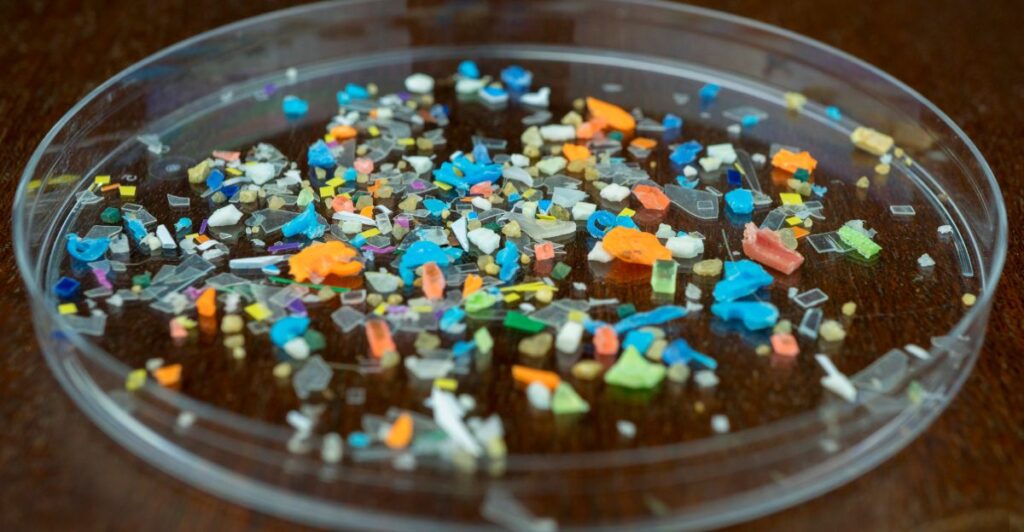
The researchers revealed that chewing gum releases an average of 100 microplastics per gram of gum. Surprisingly, both synthetic and natural gums released similar amounts of microplastics and contained the same types of polymers, such as polyolefins. Some sticks released as many as 600 particles a gram.
Mechanism of Microplastics Release
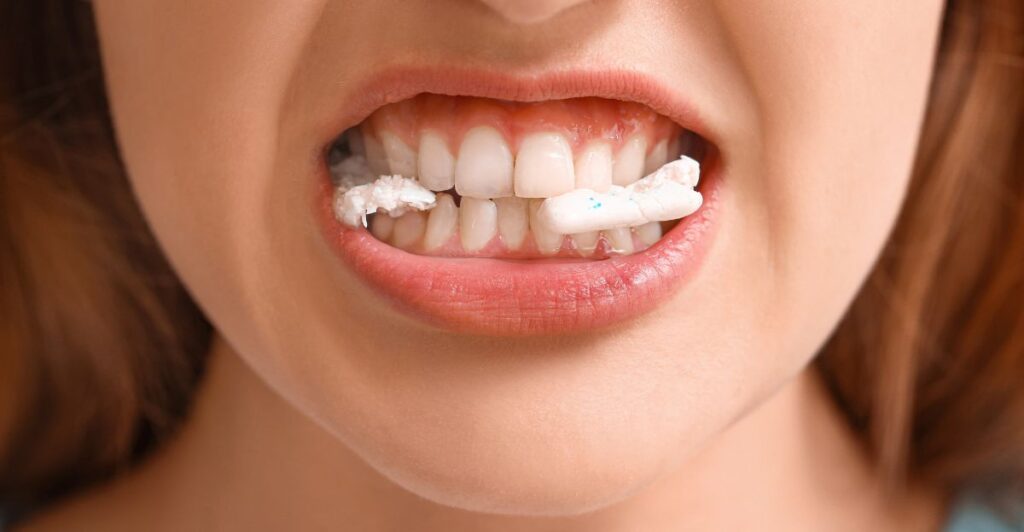
Microplastics were released due to the chewing abrasion mechanism rather than the salivary breakdown of the gum. Most of the particles —94%— were released in the first eight minutes of chewing. Almost twice as much exposure was estimated if a person changed the chewing piece frequently, which would suggest that if they continued chewing for longer than that, their exposure would be lower.
Annual Microplastic Ingestion from Gum

According to average consumption rates of 160–180 sticks per year, a person could ingest about 30,000 microplastic particles annually from the gum alone. The figure could be even higher, as the study did not measure smaller particle matter below 20 micrometers.
Environmental Impact

The study also pointed out that discarded chewing gum results in more plastic pollution in the environment. Only a small fraction of the plastic in gum is released during chewing, but discarded gum that has not been properly disposed of contributes to the rising problem of microplastics in the environment.
Health Implications
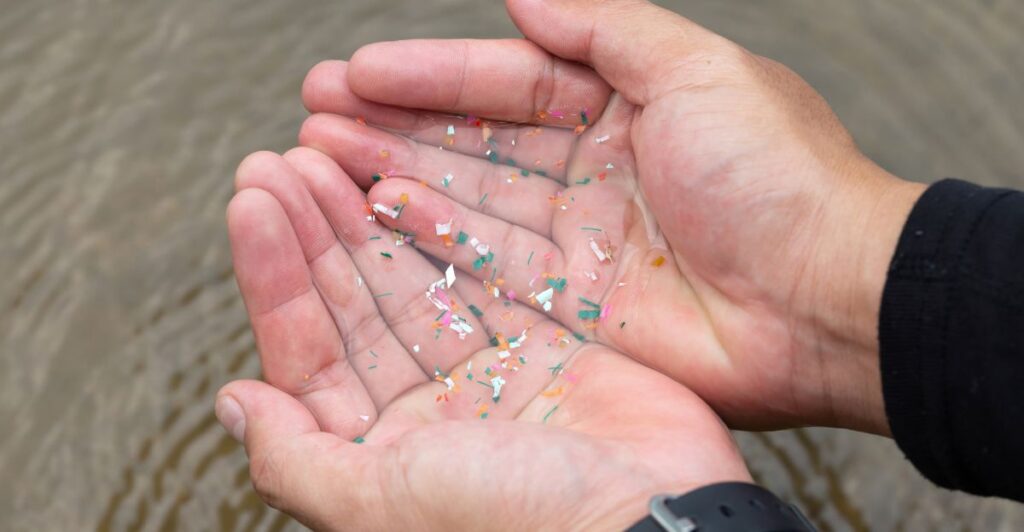
While there is no direct evidence that microplastic ingestion is related to specific diseases and health issues in humans, animal studies indicate potential damage to respiratory, digestive, and reproductive systems. The researchers underscored the need for additional research to fully understand the health risks of exposure to microplastics.
Practical Recommendations
To reduce exposure, people may also opt to chew gum for an extended period rather than replacing it with a new piece frequently. Moreover, proper disposal practices can contribute to decreasing pollutants in the environment when gum is discarded.
Plastics All Around Us

The study underscores the extent of microplastic exposure from relatively harmless habits like chewing gum. It should serve as a reminder that plastics are all around us in our everyday lives and can impact our health and the environment.
Leave a Reply